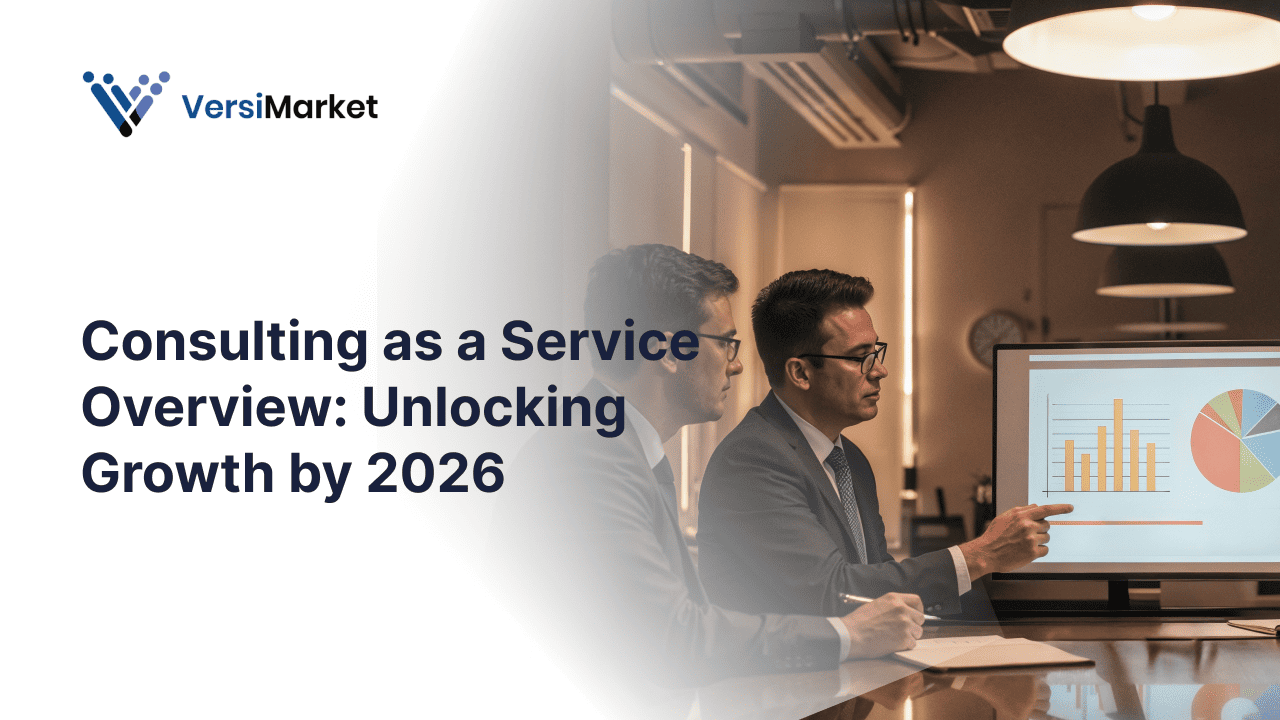
The consulting sector is undergoing a significant transformation as digital advancement accelerates. Both businesses and freelancers are increasingly looking to consulting as a service to maintain competitiveness and foster innovation in this rapidly evolving landscape. This overview provides an in-depth exploration of consulting as a service, highlighting how it can unlock sustainable growth by 2026. Readers will uncover the evolution of consulting models, the essential factors driving their adoption, actionable steps for smooth implementation, and the extensive benefits for both businesses and independent specialists.
Table of Contents
ToggleThe Transformation of Consulting as a Service: Shifting from Traditional to Innovative
The consulting sector is experiencing a remarkable evolution. Where once rigid contracts and project-centered engagements dominated, a fresh model is emerging. Consulting as a service is leading the way, allowing both companies and freelancers to prosper in a swiftly changing digital environment.
Transitioning from Conventional Consulting to CaaS Models
For many years, traditional consulting was rooted in slow processes and inflexible agreements. Clients typically engaged consulting firms through project contracts or hourly rates, often facing prolonged onboarding and unforeseen expenses. This framework limited scalability and hindered rapid innovation.
The rise of digital transformation has made consulting as a service a significant disruptor. The adoption of SaaS and cloud computing has opened the door to on-demand, subscription-based consulting solutions. These models provide consistent value, quicker onboarding, and smoother integration with client systems. Industry experts now refer to the concept as “CONaaS” and “CaaS,” signifying a shift from isolated projects to ongoing, outcome-oriented collaborations.
Firms are now delivering regular strategy assessments, continual process optimization, and fractional expertise tailored to the changing needs of businesses. The impact is evident in the data: recent market analyses indicate that cloud consulting and managed services are expanding at double-digit growth rates, driven by the increasing demand for agility and promptness. Recurring revenue models have become fundamental to sustainable business strategies.
Legacy firms face substantial hurdles in this evolving landscape, needing to adapt swiftly by retooling their service delivery and pricing models to maintain competitiveness. Platforms like the Consulting Experts Platform Overview demonstrate how consultancies can adapt, establishing a transparent talent marketplace along with managed, subscription-based consulting as a service.
The Emergence of Positive Cycles and Network Effects in Consulting
As consulting as a service matures, its primary strength lies in cultivating positive cycles and influential network effects. A virtuous cycle is a self-reinforcing loop where each new participant contributes value, drawing in more users and amplifying benefits for all involved.
Consulting platforms now act as talent marketplaces, connecting businesses with premier consultants globally. Continuous client engagement attracts more experts, fostering a vibrant ecosystem. This network effect ensures that quality and expertise consistently improve, positioning the platform as the premiere source for skilled freelance consultants.
Knowledge sharing is central to this ecosystem. Collaborative intelligence, peer evaluations, and community discussions drive fast problem-solving and spur innovation. Consultants gain insights from shared experiences, while clients benefit from quicker, more effective results.
To build a self-sustaining ecosystem, active participation from both businesses and freelancers is vital, contributing knowledge and expertise. As these networks expand, opportunities for high-value work and operational excellence increase, solidifying consulting as a service as the industry’s future.
Fundamental Drivers of Consulting as a Service Expansion in 2026
The growth of consulting as a service in 2026 stems from a combination of digital innovation, changing client expectations, and the rise of collaborative ecosystems. As organizations explore new methods to access elite expertise and accelerate transformation, recognizing these core drivers is essential for sustainable success with consulting as a service.
Digital Advancement and Cloud Integration
Digital transformation is crucial in reshaping consulting as a service. The widespread utilization of cloud solutions, SaaS platforms, and integration initiatives is propelling the demand for agile, on-demand expertise. As reported in the Digital Transformation in Consulting Industry Statistics, over 80% of consulting firms acknowledged a heightened dependence on cloud offerings and AI-enhanced tools, significantly expediting project delivery and collaboration.
Organizations are abandoning legacy systems and adopting digital-first strategies necessitating specialized skills on demand. Consulting as a service platforms are uniquely positioned to offer quick access to experts in ERP, SaaS, and cloud integration, enabling companies to remain competitive and innovative.
This transition also results in consulting as a service yielding measurable outcomes at unprecedented speeds, with projects initiated within days rather than months. As digital transformation progresses, the need for flexible, scalable consulting solutions will escalate, stimulating further growth.
Demand for Adaptability and Quickness
Clients increasingly anticipate that consulting as a service will deliver swift outcomes with maximum flexibility. Traditional consulting frameworks, frequently bogged down by rigid agreements and lengthy onboarding processes, are being replaced by platforms that enable projects to commence within days. This responsiveness is crucial as organizations navigate rapidly evolving markets and pressing transformation objectives.
The capacity to instantly scale expert involvement is revolutionary. Businesses can leverage consulting as a service for brief, targeted projects or ongoing assistance, adjusting resources to suit their evolving requirements. This adaptability not only enhances speed-to-value but also mitigates overheads and risks.
Industry examples illustrate that organizations utilizing consulting as a service surpass competitors by swiftly adapting to opportunities and challenges. The ecosystem of experts and clients enhances agility and speed in every collaboration.
Subscription and Outcome-Focused Pricing Structures
A significant driver for consulting as a service is the transition from hourly billing to transparent, subscription, and outcome-based pricing. Clients reap the benefits of managed budgets and predictable costs, while consultants concentrate on delivering measurable business outcomes.
Platforms now provide various pricing options, including fixed monthly subscriptions and value-centric deliverables. These approaches align incentives, ensuring that both clients and consultants are committed to achieving successful results. Consulting as a service simplifies ROI tracking, spending optimization, and the development of long-term partnerships.
Transparent pricing builds trust and accountability, critical elements for a sustainable business model. As more organizations seek predictability and control, consulting as a service platforms offering flexible pricing options are poised to dominate the market.
The Influence of Ecosystems and Knowledge-Sharing
The emergence of interconnected expert communities is transforming consulting as a service into a collaborative, innovation-driven ecosystem. Knowledge sharing via forums, peer evaluations, and community gatherings accelerates problem-solving and ignites new ideas.
Collaborative intelligence fuels this self-sustaining ecosystem. As more freelancers and businesses engage, the network’s value increases, generating positive cycles that benefit all participants. Consulting as a service platforms emphasizing knowledge-sharing consistently achieve higher client satisfaction and improved project outcomes.
Encouraging community contributions ensures that expertise is continually refreshed and enhanced. This focus on ecosystem development is essential for the long-term sustainability and value of consulting as a service.
Talent Marketplace Dynamics and Access to Elite Experts
Talent marketplaces act as the engine propelling consulting as a service, connecting organizations with top-notch freelance consultants worldwide. These platforms leverage network effects, where increased participation by experts draws in more clients and vice versa.
Vetting procedures, reputation systems, and ongoing professional development maintain high standards and trust within the marketplace. Consulting as a service allows organizations to access specialized skills on demand, while freelancers enjoy consistent opportunities for high-value projects.
The premier destination for skilled freelance consultants is characterized by its capacity to cultivate positive cycles, where success generates more success. As consulting as a service platforms mature, expect enhanced access to top-tier talent and innovative solutions for diverse business challenges.
Methodical Guide to Implementing Consulting as a Service in Your Organization
Embracing consulting as a service can transform how your organization obtains expertise, drives innovation, and achieves sustainable growth. Follow this structured guide to facilitate a seamless transition and unlock the vast potential of a self-reinforcing ecosystem.
Step 1: Evaluating Organizational Preparedness
Before committing to consulting as a service, reflect on your organization’s current status. Start by identifying consulting requirements, internal skill gaps, and urgent challenges. Are speed, expertise, cost management, or scalability top of mind?
Utilize these tools for an effective evaluation:
- SWOT analysis to identify strengths and weaknesses
- Capability mapping to highlight skill deficits
- Stakeholder interviews to discover pain points
Consider how your business processes and culture align with agile, on-demand consulting as a service frameworks. Assess technology readiness, including cloud adoption and integration capabilities. Engage cross-functional teams to gather diverse perspectives and ensure alignment from key stakeholders.
A comprehensive needs evaluation lays the groundwork for a successful transition, allowing you to prioritize urgent demands and streamline your consulting as a service adoption strategy. Clearly identifying goals and expectations speeds up decision-making and maximizes value from the outset.
Step 2: Choosing the Right Consulting as a Service Platform or Partner
Selecting the appropriate consulting as a service provider is vital for long-term success and value. Assess platforms and partners using these criteria:
Consider the advantages of managed service models, which offer pre-vetted professionals, transparent pricing, and seamless integration. Focus on platforms that exhibit robust network effects and establish a reputation for being the prime destination for high-quality freelance consultants.
Look for evidence of a self-sustaining ecosystem, where more clients draw in more top-tier talent and vice versa. The right partner will support your business objectives, encourage collaborative intelligence, and promote continuous enhancement.
Step 3: Structuring Engagement and Pricing Models
With consulting as a service, conventional hourly billing gives way to outcome-focused or subscription frameworks. Determine which pricing structure best aligns with your business goals and risk tolerance. Options include:
- Subscription: Fixed monthly or quarterly fees for ongoing expertise access
- Outcome-Focused: Payments tied to successful business results or KPIs
- Hybrid: A blend of subscription stability and outcome incentives
Engagement models should provide transparency for all parties involved. Clearly define deliverables, establish milestones, and designate accountability. Managed budgets aid in preventing cost overruns and supporting predictable expenses. Align engagement terms with your business outcomes, like faster market entry or enhanced operational efficiency.
Consulting as a service platforms generally offer customizable models, making it easy to adjust expert involvement as organizational needs change.
Step 4: Incorporating CaaS into Business Operations
Incorporating consulting as a service into daily processes requires meticulous planning. Identify where external expertise will complement internal teams, such as ERP, SaaS, or CRM systems.
Establish workflows for:
- Quickly and efficiently onboarding consultants
- Managing projects with clear communication channels
- Reporting progress and capturing outcomes
Leverage automation and AI-enhanced tools to optimize project delivery. Integrating with existing systems ensures seamless data sharing and real-time collaboration. Consulting as a service thrives when consultants and internal staff work alongside each other, exchanging knowledge and driving results.
Establish continuous feedback mechanisms to enhance processes and foster a culture of adaptability and responsiveness. The goal is to embed consulting as a service within your organization’s framework, making it a natural extension of your capabilities.
Step 5: Encouraging Knowledge Sharing and Ecosystem Participation
A sustainable consulting as a service model relies heavily on active knowledge-sharing and engagement within the ecosystem. Develop forums, peer evaluation systems, and community events to promote collaborative intelligence.
Incentivize contributions by recognizing both freelancers and clients for their shared insights and solutions. This strategy nurtures a positive cycle-knowledge-sharing leads to increased rewards, attracts more elite talent, and enhances client satisfaction.
Encourage ecosystem participation by showcasing success stories and facilitating networking events. The most successful consulting as a service platforms evolve into self-sustaining ecosystems, producing cumulative value as participation increases.
Step 6: Evaluating Success and Optimizing for Expansion
To ensure your consulting as a service strategy delivers lasting value, establish clear performance metrics:
- Speed of project initiation
- Cost efficiency and budget management
- ROI and overall business impact
- Satisfaction levels among participants
- Level of ecosystem engagement
Implement structured feedback systems to gather insights from clients, consultants, and internal teams. Use analytics to discern trends, optimize processes, and refine your approach.
Regularly review performance data to identify opportunities for enhancement. As your consulting as a service efforts mature, focus on fostering a culture of continuous learning and adaptability. This dedication to growth will position your organization as a frontrunner in the evolving consulting ecosystem.
Advantages of Consulting as a Service for Businesses and Freelancers
Consulting as a service is redefining how businesses and freelancers achieve growth. The unique qualities of this model lie in its capacity to create positive cycles, harness network effects, and build a self-sustaining ecosystem that benefits all participants.
For Businesses: Sustainable Growth and Operational Excellence
Organizations utilizing consulting as a service gain access to high-quality talent when and where they require it. This on-demand methodology eradicates the delays and costs associated with conventional hiring, providing swift project initiation and the flexibility to adjust expert involvement as business needs evolve.
Key advantages include:
- Accelerated time-to-impact: Projects can commence in days, providing organizations with a genuine competitive advantage.
- Clear pricing: Subscription and outcome-based models ensure predictable costs and managed budgets.
- Greater ROI: Companies pay solely for results, not hours worked, guaranteeing every dollar provides measurable value.
– Innovation through network engagement: Businesses tap into a collaborative network, leveraging diverse viewpoints and shared wisdom to address complex challenges.
For instance, organizations leveraging ERP software consulting often experience efficiency gains, enhanced customer experience, and better alignment with strategic objectives. Consulting as a service enables a sustainable business model that fosters long-term growth without the hindrances of traditional consulting.
For Freelancers: High-Value Work and Skill Development
Freelancers flourish in the consulting as a service environment. Talent marketplaces are the premier destination for skilled freelance consultants, linking them with consistent high-value work opportunities and chances for professional growth.
Key benefits include:
- Reliable project access: Talent platforms connect experts with assignments that match their skills and interests.
- Income potential: Knowledge sharing and building a reputation result in higher rewards and recognition.
- Community-driven enhancement: Collaborative forums, peer evaluations, and network events facilitate ongoing learning and connections.
- Long-term viability: Participation in a self-reinforcing ecosystem assures freelancers of remaining relevant and in demand.
Freelancers interested in joining this ecosystem can explore the consultant application procedure, which highlights the platform’s dedication to vetting, professional development, and shared success. Consulting as a service empowers freelancers to advance their careers while contributing to a larger network.
The Self-Sustaining Ecosystem: Fueling Long-Term Value
The true power of consulting as a service lies in its self-sustaining ecosystem. The more clients and consultants that engage, the greater the network’s value for all involved. This virtuous cycle is bolstered by network effects, whereby each new participant enriches the platform’s collective expertise and attractiveness.
Platforms become the ideal destination for both organizations seeking top-tier talent and consultants looking for high-value work. Knowledge sharing and collaborative intelligence facilitate ongoing innovation, while transparent processes and managed budgets foster trust and satisfaction on all fronts.
Consulting as a service transcends mere transactions; it embodies a sustainable business model that nurtures long-term value, adaptability, and growth for all ecosystem members.
Future Trends: The Consulting as a Service Landscape in 2026 and Beyond
The consulting as a service landscape is set for substantial transformation in 2026 and beyond. Emerging technologies, evolving client expectations, and the strength of interconnected ecosystems are reshaping the ways businesses and freelancers interact, collaborate, and generate value. Let us delve into the five future trends anticipated to redefine this self-sustaining ecosystem.