
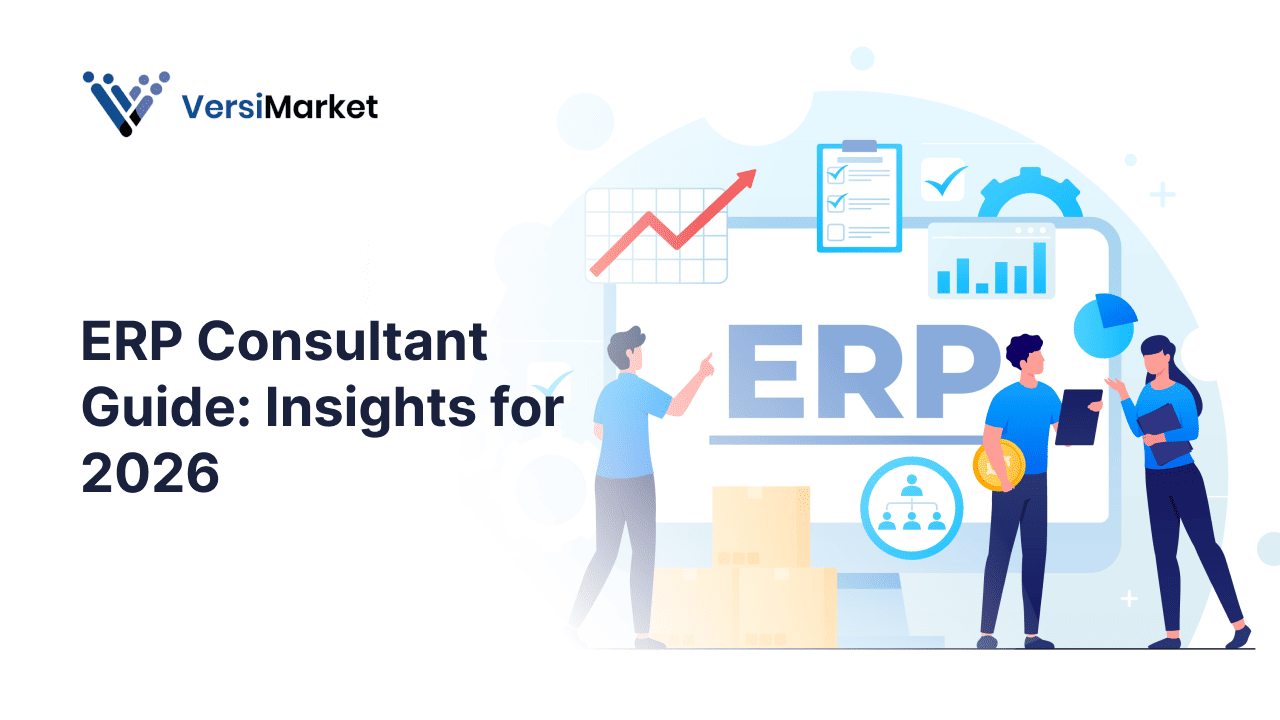
The ERP consultant is now at the forefront of digital transformation, steering organizations toward long-term sustainability and value in 2026. As businesses encounter rapid changes and new market demands, this guide provides expert insights and practical steps for ERP consultant success. Delve into the evolving ERP landscape, critical skills, consultant responsibilities, and effective strategies to excel. Discover trends like network effects, knowledge-sharing, and the emergence of talent marketplaces. Utilize actionable knowledge crafted to aid you in making informed ERP selections and becoming a premier destination for high-quality freelance consultants.
Table of Contents
ToggleThe Transforming ERP Environment in 2026
The ERP environment in 2026 is a vibrant space influenced by digital transformation, data-centric strategies, and growing expectations for flexibility. As organizations race to modernize, the ERP consultant becomes an essential guide, converting complex trends into actionable solutions for businesses maneuvering a rapidly evolving landscape.
Evolving Business Needs and Market Trends
Digital transformation has transitioned from a buzzword to a business necessity in 2026. Companies now prioritize cloud-based and hybrid ERP solutions to achieve adaptability and scalability. The thirst for real-time analytics and data-driven decision-making is unprecedented, with over 65% of enterprises identifying ERP modernization as a strategic priority, according to Gartner (2025). To remain competitive, the ERP consultant must master emerging consulting frameworks and respond to changing client challenges. Strategic advisors leveraging ERP software consulting strategies offer tailored solutions that align with evolving business goals and promote sustainable growth.
The Impact of Network Effects and Ecosystems
ERP platforms are maturing into robust ecosystems where network effects enhance value creation. As more users and consultants engage, the platform transforms into a prime destination for high-caliber freelance consultants, and knowledge-sharing thrives. Talent marketplaces expand, granting businesses access to top-notch talent and fostering a self-reinforcing ecosystem. For the ERP consultant, success hinges on nurturing collaborative partnerships and accessing these interconnected communities to address complex challenges and unveil new opportunities.
Regulatory and Security Challenges
Regulatory requirements are tightening, particularly in industries such as manufacturing, where compliance expenses have ballooned by 18% (IDC, 2025). Data privacy and cybersecurity have become paramount, with global regulations like GDPR and CCPA establishing new standards. The ERP consultant must navigate these intricate requirements, guaranteeing that ERP solutions are both technically sound and compliant. Proactive risk management and transparent procedures are fundamental to cultivating client trust and ensuring lasting value in ERP initiatives.
Sustainability and Long-Term Value
Sustainability is now a vital competitive differentiator. Organizations anticipate ERP systems to facilitate eco-friendly business practices and integrate sustainability metrics directly into reporting. The ERP consultant is critical in embedding continuous improvement cycles, assisting clients in attaining long-term sustainability and value. By championing sustainable business models and cultivating a culture of ongoing enhancement, consultants help enterprises distinguish themselves in a crowded marketplace and meet growing stakeholder expectations.
Key Insights
To prosper in 2026, the ERP consultant must adjust to a swiftly changing, interconnected ERP landscape. Achieving success necessitates not only technical expertise but also the capacity to develop self-reinforcing ecosystems, harness network effects, and drive continuous improvement. Consultants embracing knowledge-sharing, sustainability, and proactive risk management will lead the way while delivering high-value work in the transforming ERP consulting domain.
Core Responsibilities of an ERP Consultant
ERP consultants act as the crucial link for effective digital transformation, guiding organizations through change while ensuring enduring sustainability and value. Their duties encompass strategic advisory, technical expertise, and fostering a self-reinforcing ecosystem within the ERP community.
Strategic Advisory and Business Alignment
An ERP consultant starts by thoroughly grasping a company’s unique needs and objectives. They undertake detailed needs assessments and gap analyses, aligning ERP solutions with strategic business aspirations. This approach ensures that systems bolster both current functions and future growth. Early engagement of consultants enhances ROI, evidenced by Forrester’s findings of a 20 percent boost in returns when consultants are involved from the beginning. Acting as trusted advisors, consultants promote harmony between IT capabilities and business strategy, laying the groundwork for a sustainable business model and long-term value.
Implementation Leadership
Managing ERP projects from planning through post go-live, the ERP consultant coordinates every stage of the lifecycle. They oversee timelines, resources, and expectations, ensuring smooth collaboration across departments. Effective change management and user adoption are vital, as consultants advocate for clear communication and address stakeholder concerns. Their leadership drives high-value work and maintains project timelines. By creating cycles of feedback and enhancement, consultants foster a self-reinforcing ecosystem that yields advantages for both clients and teams.
Technical and Functional Expertise
An ERP consultant brings substantial technical know-how, configuring and customizing ERP modules to meet evolving business needs. They ensure seamless integration with existing systems, troubleshoot issues, and enhance system performance for efficiency and scalability. For consultants specializing in platforms like Oracle, specific skills and functions are vital. Explore Oracle ERP consultant expertise for an in-depth understanding of the technical demands and the value these professionals provide. Their technical acumen positions consultants as preferred options for high-quality freelance projects and ongoing opportunities.
Knowledge-Sharing and Community Building
ERP prosperity relies on collaborative intelligence and robust knowledge-sharing. An ERP consultant cultivates a culture where teams learn collaboratively, review solutions, and exchange best practices. By participating in a broader ecosystem, they spurn peer-reviewed advancements and mitigate project risks. Consultants also engage in talent marketplaces, broadening their reach and contributing to a network that accelerates innovation and professional growth. This community-centric approach ensures access to top-tier talent and continuous learning.
Continuous Improvement and Value Delivery
Long-term sustainability and value are central to an ERP consultant’s mission. They track key performance indicators, monitor business outcomes, and iteratively refine processes. By integrating continuous improvement into their practice, consultants create virtuous cycles that underpin lasting client success. Their dedication to measurable results, transparency, and sustainable business practices positions them as leaders in the evolving ERP consulting arena.
Essential Skills and Qualifications for 2026 ERP Consultants
The competencies necessary for an ERP consultant are rapidly evolving as the industry adapts to digital transformation and self-reinforcing ecosystems. In 2026, consultants will require a combination of technical mastery, business insight, advanced soft skills, and a commitment to ongoing learning to stand out in a competitive talent landscape. This section highlights the core competencies that define top-tier talent and ensure longevity and value.
Technical Proficiency and Platform Mastery
An ERP consultant must showcase deep expertise in prominent ERP platforms like Oracle NetSuite, SAP, and Workday. Mastery over APIs, integrations, and data migration is essential for optimal system performance. Consultants who remain updated with platform developments, innovations, and emerging tools become invaluable contributors to any ecosystem.
Understanding the key features of NetSuite accounting can further improve a consultant’s technical strength and capacity to provide high-value solutions. This technical foundation supports long-term sustainability and value delivery.
Business Acumen and Industry Knowledge
To become a trusted destination for high-quality freelance consultants, an ERP consultant must blend technical expertise with strong business acumen. This includes in-depth process knowledge in sectors such as manufacturing, retail, or technology. Those who translate business requirements into technical solutions are in high demand and secure roles swiftly. A sharp understanding of market trends, compliance needs, and client goals enables consultants to align ERP strategies with business ambitions, fueling cyclic improvements and establishing them as trusted advisors within the network.
Soft Skills: Communication, Leadership, and Adaptability
The most effective ERP consultants excel in communication, leadership, and adaptability. Leading cross-functional teams, guiding workshops, and balancing diverse stakeholder interests require strong interpersonal skills.
Key soft skills include:
- Active listening and clear presentation
- Conflict resolution and negotiation
- Quick response to changing project needs
By fostering collaborative intelligence and knowledge-sharing, consultants help cultivate a self-reinforcing ecosystem that promotes project attainment and client satisfaction.
Data Analytics and AI Literacy
Contemporary ERP consultant roles increasingly demand proficiency in data analytics and AI tools. Utilizing AI for process automation, predictive analytics, and real-time dashboards enables consultants to produce actionable insights and quantifiable outcomes. Building data-driven processes is vital for supporting continuous improvement and virtuous cycles within the ERP ecosystem. Consultants well-versed in AI are at the forefront of enhancing business performance and unveiling new avenues for value generation.
Commitment to Continuous Learning
A premier ERP consultant thrives in a culture of perpetual learning. Ongoing training, certifications, and active engagement in professional networks are crucial for maintaining relevance amid platform evolutions and industry shifts. Involvement in knowledge-sharing and collaborative projects ensures consultants stay on the cutting edge of innovation. This dedication not only elevates individual expertise but also strengthens the wider talent marketplace, driving long-term sustainability and high-value output throughout the ERP ecosystem.
Step-by-Step Guide: How to Execute High-Impact ERP Consulting Projects
In today’s dynamic digital landscape, a high-impact ERP consultant must adopt a structured, value-oriented approach to every project. Success transcends mere technical execution; it’s also about fostering a self-reinforcing ecosystem where knowledge-sharing, network effects, and virtuous cycles promote enduring sustainability and value for both clients and consultants.
Step 1: Discovery and Needs Assessment
The journey begins with an exhaustive discovery phase. An ERP consultant spearheads stakeholder interviews and process mapping sessions to reveal hidden gaps and clarify business objectives. This step establishes a project foundation based on authentic needs and possibilities.
Key activities include:
- Conducting interviews with department leads and end-users
- Mapping existing processes and pinpointing pain points
- Defining measurable business goals and success metrics
A comprehensive discovery phase can minimize project overruns by 28 percent, as indicated by industry benchmarks. By dedicating time upfront, consultants build trust and prepare the groundwork for a collaborative, knowledge-sharing atmosphere that benefits all involved in the ecosystem.
Step 2: Solution Design and Alignment
Once needs are understood, the ERP consultant formulates customized ERP architectures and workflows that align with the client’s strategic goals. This entails converting business requirements into technical solutions that are scalable, flexible, and ready for the future.
Key strategies include:
- Designing ERP modules that promote growth and adaptability
- Aligning data flows and integrations with enterprise objectives
- Harnessing network effects through cross-functional collaboration
Incorporating principles of self-reinforcing ecosystems during the solution design stage ensures that all participants reap benefits as the ERP framework expands. This methodology empowers clients to achieve long-term sustainability and value while enabling consultants to become trusted allies in the transformation journey.
Step 3: Implementation and Change Management
With a solid design established, the ERP consultant directs the configuration, customization, and integration of ERP modules. Effective implementation hinges on proactive change management and user adoption strategies, ensuring all participants are engaged and empowered.
Best practices for this phase include:
- Structured user training workshops and sessions
- Clear communication plans for project milestones
- Ongoing feedback mechanisms for continuous improvement
For deeper insights into proven techniques, study these ERP Implementation Best Practices to refine every stage of the rollout. By cultivating cycles of feedback and adaptation, consultants minimize resistance and quicken time to value for their clients.
Step 4: Post Go-Live Support and Optimization
Following go-live, the ERP consultant refocuses on monitoring system performance and user satisfaction. Post-launch support is crucial for delivering ongoing enhancements and extracting additional value from the ERP investment.
Key actions include:
- Regular tracking of user feedback and promptly addressing concerns
- Analyzing system data to uncover optimization opportunities
- Promoting a culture of knowledge-sharing among users and teams
Proactive post-go-live support can boost user retention rates by 35 percent, while also fortifying the self-reinforcing ecosystem, establishing the ERP platform as a prime destination for high-quality freelance consultants and enterprise clients alike.
Step 5: Measuring Success and Sustaining Value
The concluding step emphasizes ensuring that the ERP initiative yields measurable, enduring advantages. An ERP consultant monitors key performance indicators (KPIs), business outcomes, and fosters a culture of knowledge-sharing for long-lasting sustainability.
Essential metrics to observe include:
- User adoption rates
- Improvements in business process efficiency
- Cost savings and ROI
Sustaining value requires integrating network effects, making each new user or process enhancement increase the platform’s overall utility. By nurturing virtuous cycles and a collaborative ecosystem, consultants and clients co-develop a sustainable business model that adapts and flourishes in a continuously changing market.
Emerging Technologies and Future Opportunities in ERP Consulting
The future of ERP consulting is rapidly shifting, with innovative technologies and business models presenting unparalleled opportunities. Every ERP consultant will need to master these trends to remain proactive, deliver high-value work, and position themselves as preferred venues for high-quality freelance consultants.


3 Responses
From the bottom of my heart, thank you for being a source of positivity and light in this sometimes dark and overwhelming world
Love this appreciation for great content
Your blog always leaves me feeling uplifted and inspired Thank you for consistently delivering high-quality content